AI for Beginners: Building Confidence with the Basics
Artificial intelligence and large language models are becoming part of everyday work in ways that still surprise many people. You might start by drafting an email or troubleshooting an issue, then suddenly rely on an AI assistant to explain a concept you haven’t touched in years. For beginners, the challenge isn’t understanding the technical mechanics, it’s learning how to interact with AI naturally and effectively.
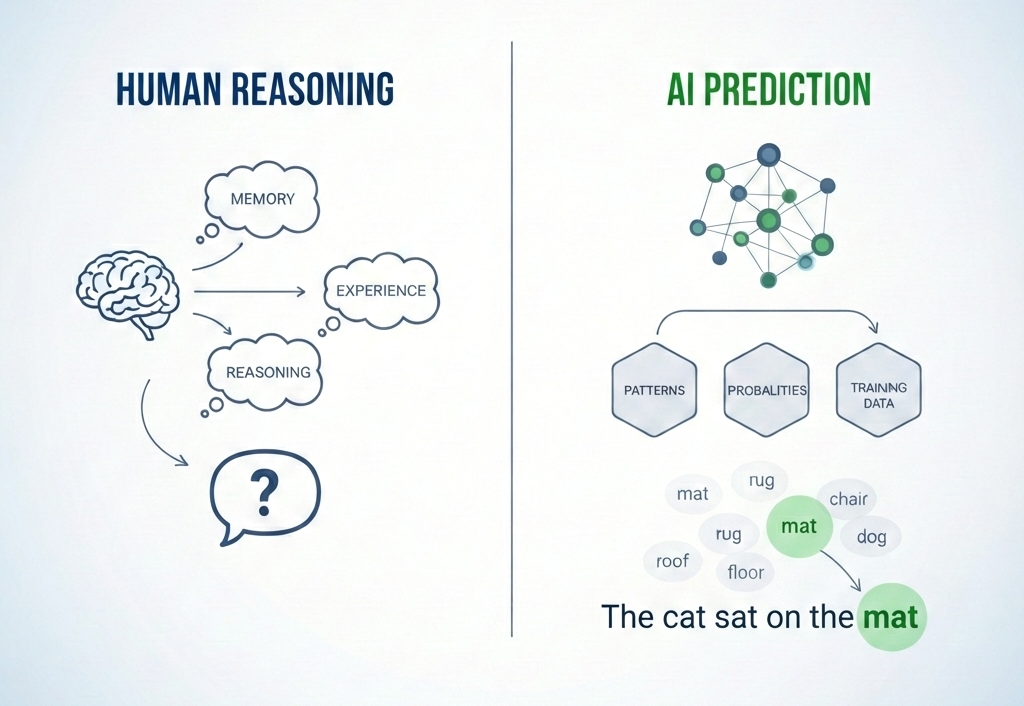 AI tools generate responses based on patterns in the data they were trained on. They don’t “know” information the way humans do, and they don’t have a built‑in sense of truth. They predict what a helpful answer might look like, which is why they can be incredibly useful one moment and slightly off the next. Understanding this helps beginners approach AI as a powerful assistant, not an infallible expert.
One of the first skills new users learn is effective prompting. A prompt is simply the instruction you give the AI, but clarity matters. Vague questions force the AI to guess, while specific context and direction lead to far better results. Asking “explain cloud networking” yields a generic answer; asking for an explanation tailored to someone transitioning from a traditional data center role produces something far more relevant. Thinking of prompts as conversations rather than commands makes the experience more intuitive.
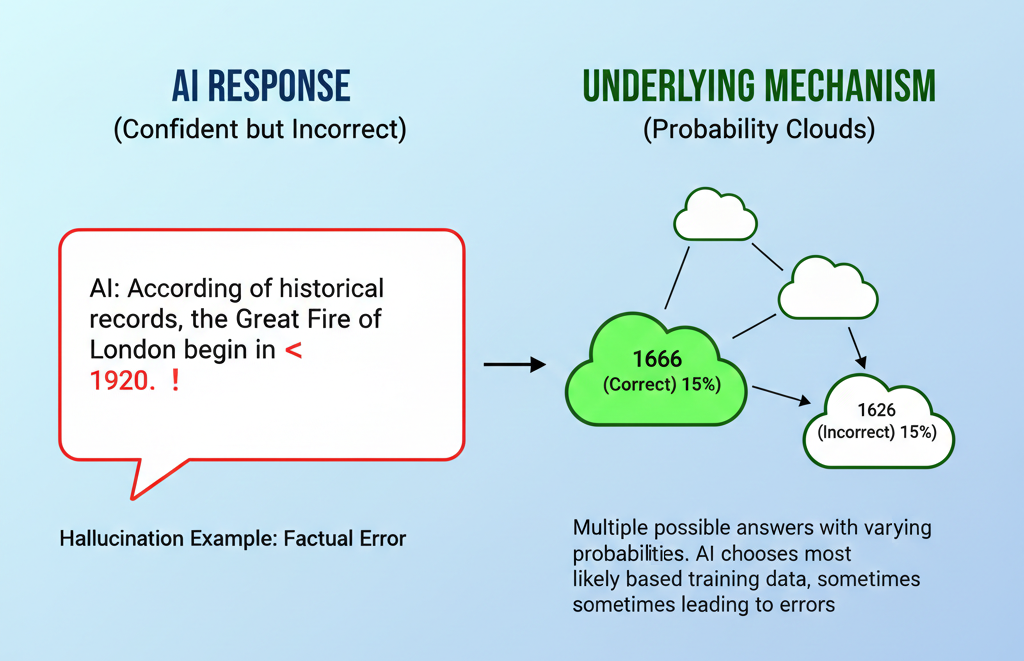 Even with strong prompts, AI can still produce hallucinations; confident, detailed answers that are incorrect. This isn’t a glitch but a natural result of how AI generates text. Because it predicts likely responses rather than verifying facts, it can produce information that sounds plausible but isn’t accurate. That’s why fact‑checking remains essential, especially in technical environments. AI can accelerate your work, but it shouldn’t replace your judgment.
As beginners spend more time with AI, they often find its greatest value isn’t perfect answers but clearer thinking. It can break down complex topics, reframe problems, summarize long content, or rewrite dense documentation in plain language. These small boosts add up to a smoother workflow and more confidence when learning new concepts.
It also helps to let go of common misconceptions. AI isn’t meant to be right all the time, and it can’t read your mind. It won’t understand your intent unless you guide it, and confidence doesn’t equal accuracy. Once beginners accept this, they tend to approach AI with more curiosity and less frustration.
Ultimately, the key skill is AI literacy. Knowing how to communicate with AI tools, evaluate their responses, and integrate them into your workflow. You don’t need to become an expert overnight. Build good habits, write clear prompts, stay aware of hallucinations, and verify anything important.
AI is becoming a normal part of modern IT work. Beginners who understand these basics will feel more comfortable and more effective as technology continues to evolve.
In April, we’ll explore how to use AI professionally and look at emerging certifications.
Artificial intelligence and large language models are becoming part of everyday work in ways that still surprise many people. You might start by drafting an email or troubleshooting an issue, then suddenly rely on an AI assistant to explain a concept you haven’t touched in years. For beginners, the challenge isn’t understanding the technical mechanics, it’s learning how to interact with AI naturally and effectively.
AI tools generate responses based on patterns in the data they were trained on. They don’t “know” information the way humans do, and they don’t have a built‑in sense of truth. They predict what a helpful answer might look like, which is why they can be incredibly useful one moment and slightly off the next. Understanding this helps beginners approach AI as a powerful assistant, not an infallible expert.
One of the first skills new users learn is effective prompting. A prompt is simply the instruction you give the AI, but clarity matters. Vague questions force the AI to guess, while specific context and direction lead to far better results. Asking “explain cloud networking” yields a generic answer; asking for an explanation tailored to someone transitioning from a traditional data center role produces something far more relevant. Thinking of prompts as conversations rather than commands makes the experience more intuitive.
Even with strong prompts, AI can still produce hallucinations; confident, detailed answers that are incorrect. This isn’t a glitch but a natural result of how AI generates text. Because it predicts likely responses rather than verifying facts, it can produce information that sounds plausible but isn’t accurate. That’s why fact‑checking remains essential, especially in technical environments. AI can accelerate your work, but it shouldn’t replace your judgment.
As beginners spend more time with AI, they often find its greatest value isn’t perfect answers but clearer thinking. It can break down complex topics, reframe problems, summarize long content, or rewrite dense documentation in plain language. These small boosts add up to a smoother workflow and more confidence when learning new concepts.
It also helps to let go of common misconceptions. AI isn’t meant to be right all the time, and it can’t read your mind. It won’t understand your intent unless you guide it, and confidence doesn’t equal accuracy. Once beginners accept this, they tend to approach AI with more curiosity and less frustration.
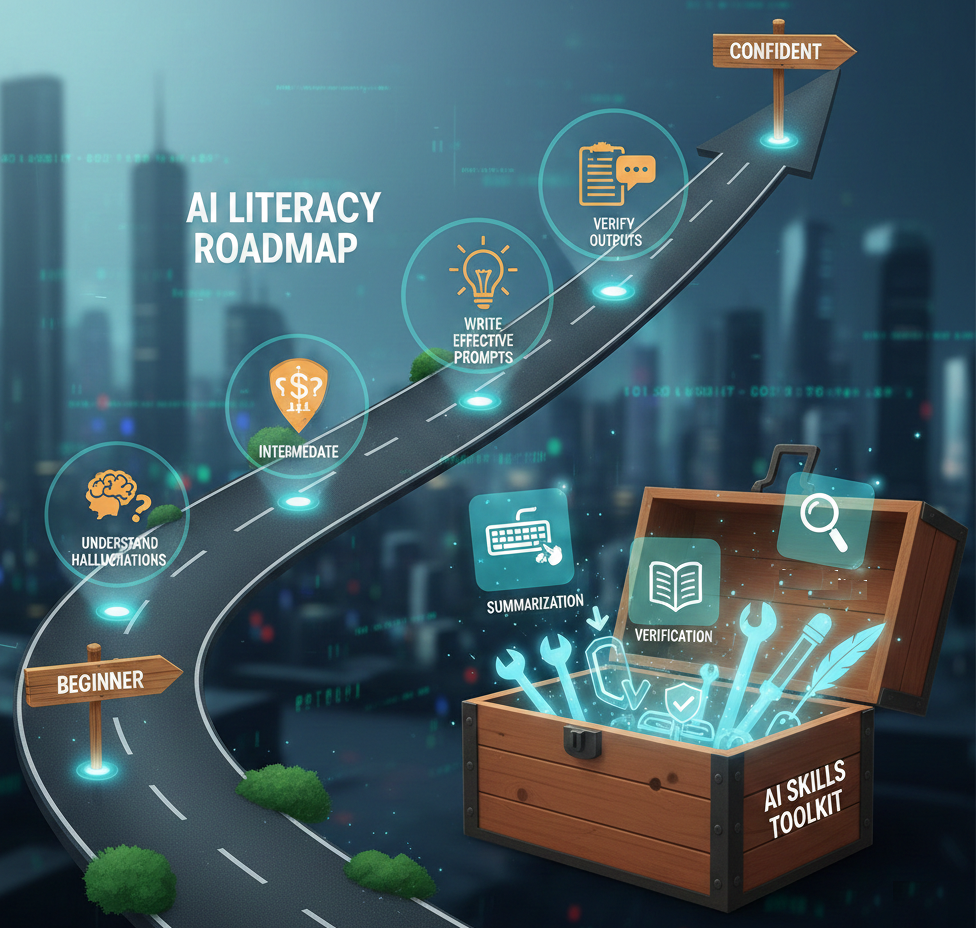 Ultimately, the key skill is AI literacy. Knowing how to communicate with AI tools, evaluate their responses, and integrate them into your workflow. You don’t need to become an expert overnight. Build good habits, write clear prompts, stay aware of hallucinations, and verify anything important.
AI is becoming a normal part of modern IT work. Beginners who understand these basics will feel more comfortable and more effective as technology continues to evolve.
In April, we’ll explore how to use AI professionally and look at emerging certifications.
 Join us for a live conversation between different perspectives on AI ethics, innovation, and responsibility. Whether you’re excited about AI or cautious about its impact, this discussion cuts through the noise and gets practical. March 6th 3pm EDT|2pm CDT|12pm PDT
Talk to you next week!
Watch an episode of our new video skill series, Getting it Done with AI. Now only $19.99